ESP32 IoT Engineering
Professional Online Training
Professional ESP32 IoT engineering training for students and engineers who want structured, hands-on online sessions and a complete final system, not hobby-level tutorials.
- Live Online Interactive Sessions
- Build Complete IoT System
- Final Practical Project
- Certificate Included
- WhatsApp Group Support
- Session Recordings Available
8 Live Sessions • 2 hours per session • Total: 16 hours • Duration: 4 weeks
Pricing
Almikatro Engineering Learning Path
From foundations to real engineering systems.
Engineering Fundamentals
Build the programming and electronics foundations required for modern engineering systems.
IoT Engineering with ESP32
Connect embedded systems to cloud platforms for monitoring and control.
Embedded Systems Engineering (STM32 Standard)
Build a stronger STM32 foundation in peripherals, timing, communication, and debugging.
Embedded Systems Engineering (STM32 Advanced)
Continue into industrial embedded systems with RTOS, DMA, Modbus, and reliability topics.
PCB Design
Transform circuit ideas into manufacturable electronic products.
Short, focused, professional training
8 live sessions, 2 hours each, built to help you finish a complete IoT engineering workflow in 4 weeks.
 Espressif ESP32
Professional structure
Clear progression from ESP32 fundamentals to a complete IoT final project.
High-value online format
Live teaching, certificate, recordings, and WhatsApp support in one offer.
Engineering positioning
Protocols, WiFi control, monitoring systems, and project delivery instead of hobby demos.
Low time friction
Only 16 total hours over 4 weeks, which reduces commitment while keeping real project outcomes.
8-session course structure
A clean, readable layout built to make the course feel simpler and easier to commit to.
Session 1 — ESP32 Fundamentals + GPIO
Board setup, tools, digital I/O, and the first engineering workflow.
Session 2 — Analog + PWM + Motor Control
Analog reading, PWM behavior, and actuator control basics.
Session 3 — Communication (UART, I2C, SPI)
Practical communication with common embedded interfaces.
Session 4 — Sensors + Mini Project
Integrate sensors into a guided working mini system.
Session 5 — WiFi Fundamentals
Build the networking foundation for connected ESP32 systems.
Session 6 — Web Interface Control
Create simple online control interfaces for practical use.
Session 7 — IoT Monitoring System
Structure telemetry and connect data into a monitoring workflow.
Session 8 — Final Project
Bring the course together in one complete IoT engineering build.
Build a Complete IoT System
A strong final project makes the training feel concrete, practical, and worth paying for.
Smart Home Controller
Build a connected control system for devices and sensors.
IoT Monitoring Dashboard
Collect and visualize live telemetry in a usable engineering interface.
Smart Agriculture Node
Create a practical connected sensing node for agriculture use cases.
WiFi Robot Controller
Control a practical device through wireless communication logic.
See the Kind of IoT Work Students Move Toward
This section now focuses on two stronger ESP32 examples: a live dashboard and a real mobile robot demo where the ESP32 handles the communication between the mobile app and the robot.
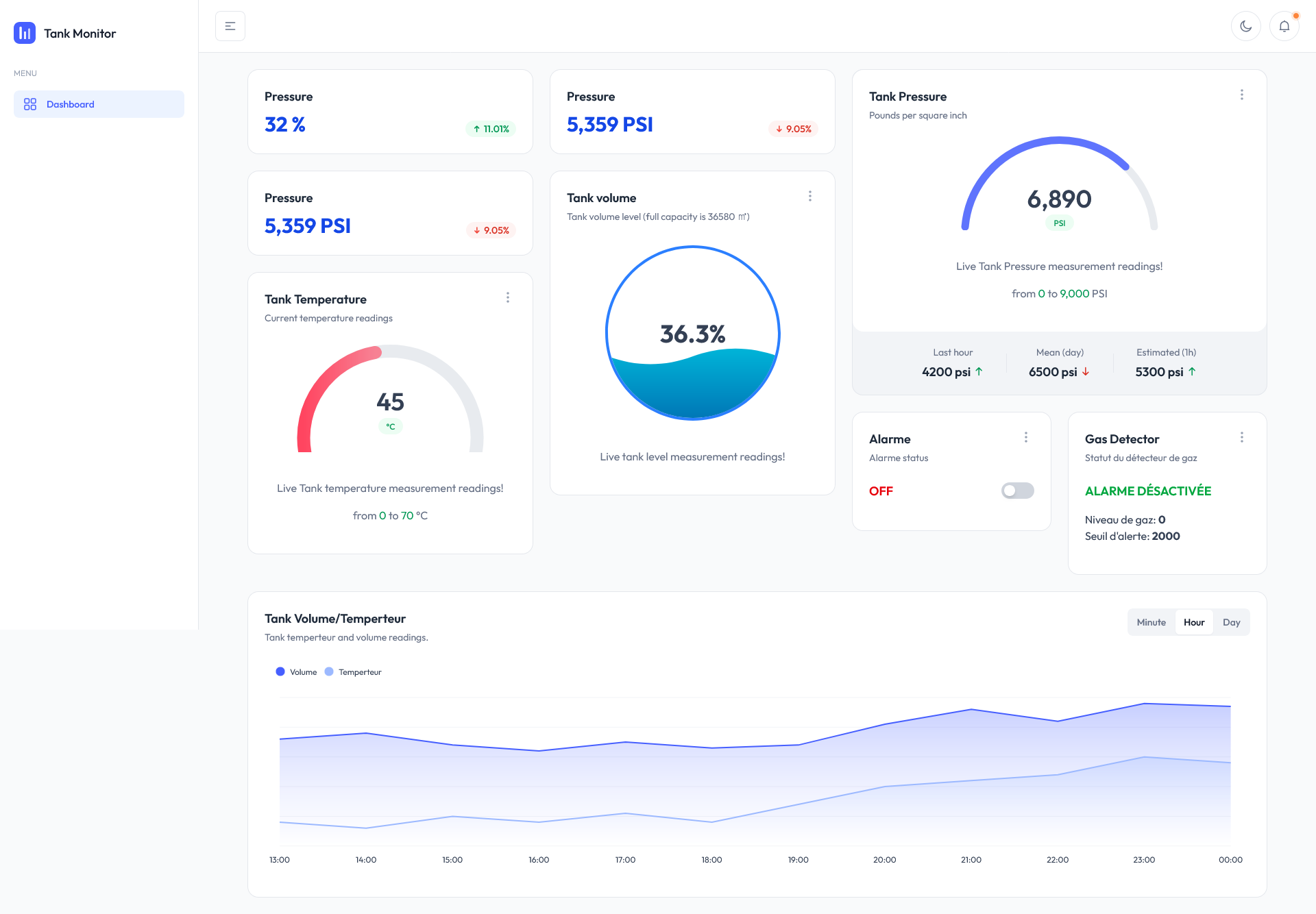
Telemetry Dashboard
An ESP32 system can stream sensor values into a dashboard where students learn how live data becomes useful operational visibility.
Control From Mobile App
This demo shows the communication flow between the mobile app and the robot, with the ESP32 acting as the wireless bridge that receives commands and drives the system in real time.
Real Brands Shipping Connected ESP32 Products
These examples are based on official Espressif customer stories and show how ESP32-class IoT work creates real value in smart homes, security, and connected products.
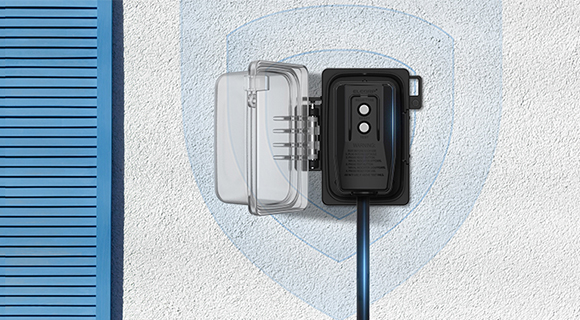
ESP-based smart home products can scale across global markets when the platform is strong
Espressif’s ELEGRP story shows a company building connected switches, dimmers, and outdoor outlets for more than 40 countries. The result students should notice is not only connectivity, but faster product rollout, stronger interoperability, and better stability through real-time monitoring.
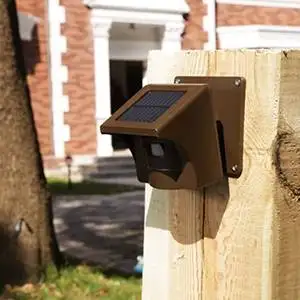
Connected security products become much more valuable when the company owns the full IoT experience
HoSmart moved away from third-party SaaS limits and used Espressif’s platform for a next-generation security system. That is a powerful example for students: ESP32 and IoT are not just about sending data, they can become the core of a smarter, faster-moving product business.
Live online, interactive, hands-on
Keep the promise clear: this is professional engineering training delivered live, with practical coding and real project work.
Live Online
8 live sessions taught online with direct instructor interaction.
Interactive
Ask questions, follow live, and keep momentum through guided sessions.
Hands-on Coding
Real implementation, not only theory or passive watching.
Real Engineering Projects
Total: 16 hours over 4 weeks, ending with a practical final system.
For Students Ready To Build Connected Systems
This track fits learners who already understand the basics and want to move into real IoT system design with ESP32, networking, and cloud integration.
Basic Foundations Recommended
Students should be comfortable with basic programming logic and electronics concepts. Engineering Fundamentals is the recommended preparation path.
Recommended Next Step After ESP32
After ESP32, many students move into STM32 for deeper embedded systems work or PCB Design to turn prototypes into production-ready hardware.
Recommended Progression
STM32 Standard to go deeper into firmware structure, peripherals, and debugging before the advanced track.
PCB Design to transform IoT and embedded ideas into manufacturable boards.
Engineering Fundamentals is still the best first stop if you need a stronger base before starting.
Questions Students Usually Ask
The most common things students want to know before joining the ESP32 IoT track.
Is this course for complete beginners?
Not usually. This course works best for students who already understand the basics of programming and electronics, or who completed Engineering Fundamentals first.
Will we build real cloud-connected systems?
Yes. The course focuses on practical IoT architecture, telemetry, dashboards, MQTT communication, and remote system control.
What can I study after this?
Students often continue into STM32 Standard first, then STM32 Advanced or PCB Design depending on whether they want deeper firmware or stronger hardware delivery.
IoT Engineering Instructor
Focused on architecture-first IoT engineering, reliable communication, cloud integration, and deployment-ready connected systems.
IoT Engineering with ESP32
Standard track: 15,000 DA · installments available for standard track
8 Live Sessions · 2 hours per session · Total: 16 hours · Duration: 4 weeks
IoT Engineering with ESP32
Share your details and learning goals. Our team will contact you with the next available group, pricing details, and the steps to confirm your seat.