01
Core Engineering Basics
Programming logic, electronics basics, and structured problem solving give you the foundation for practical implementation.
Professional online engineering training for students and engineers who want structured live sessions, practical implementation, and a complete final IoT system.
Shorter commitment, stronger outcome: a professional ESP32 IoT course that leads to a practical final system instead of a long, vague roadmap.
This brochure focuses on the ESP32 IoT course. It gives learners a practical bridge from core embedded basics into connected-system engineering and future specialization.
Programming logic, electronics basics, and structured problem solving give you the foundation for practical implementation.
Build connected systems with sensors, Wi-Fi, dashboards, control logic, and a complete final project. This brochure focuses on this step.
After ESP32, learners can continue into deeper embedded systems with STM32 or move toward hardware development and PCB design.
It helps you move from tutorial-style ESP32 experiments to practical IoT engineering, with a stronger architecture mindset and more confidence in how devices, data, and remote control fit together.
The focus is on how devices, brokers, dashboards, and control flows work together, not isolated sketches.
You learn through examples that resemble agriculture, robotics, lab systems, and connected products.
MQTT, telemetry, dashboard updates, and remote commands are treated as core design topics.
Structured, practical, and professional from setup to final project, with the goal of helping you think and work like an IoT engineer.
By the end, you should be able to deliver a connected engineering project with sensing, control, and monitoring, not just isolated code examples.
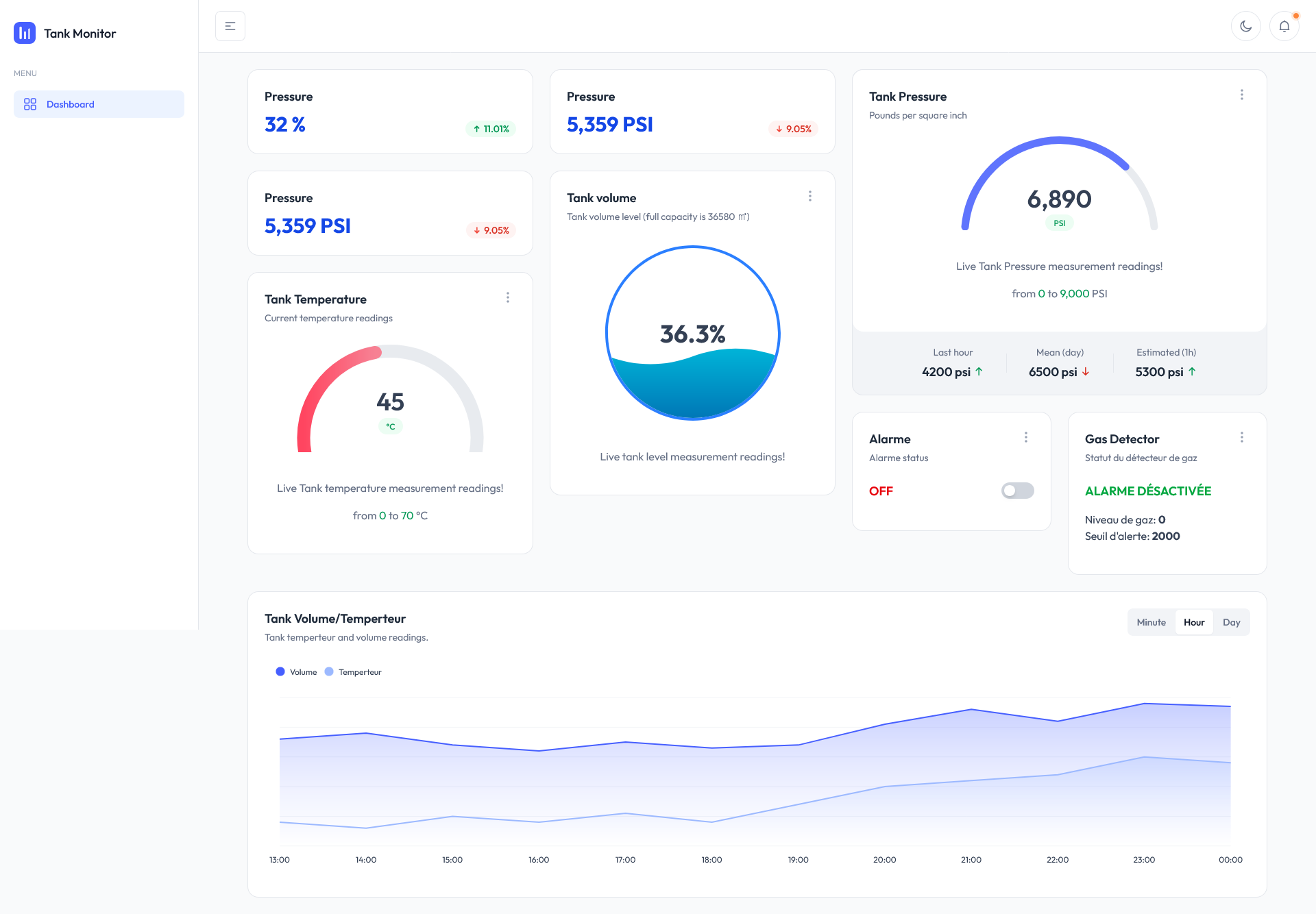
For engineers building connected sensor systems and embedded products that need live visibility.
Useful for machines and prototypes that need wireless monitoring, commands, and dashboard control.
Helpful for learners who want practical device-to-cloud engineering beyond software-only projects.
Relevant when data acquisition, remote monitoring, and telemetry matter in the field or laboratory.
Engineers building connected sensor systems are the best fit for this program. No prior IoT experience is required, but an engineering mindset is expected.
Board setup, tools, and digital I/O basics.
Analog reading, PWM behavior, and actuator control.
Work with practical embedded communication buses.
Integrate sensing into a guided mini system.
Build the network base for connected systems.
Create simple practical online control interfaces.
Connect device data into a clear monitoring workflow.
Deliver one complete IoT engineering project.
 Zoom
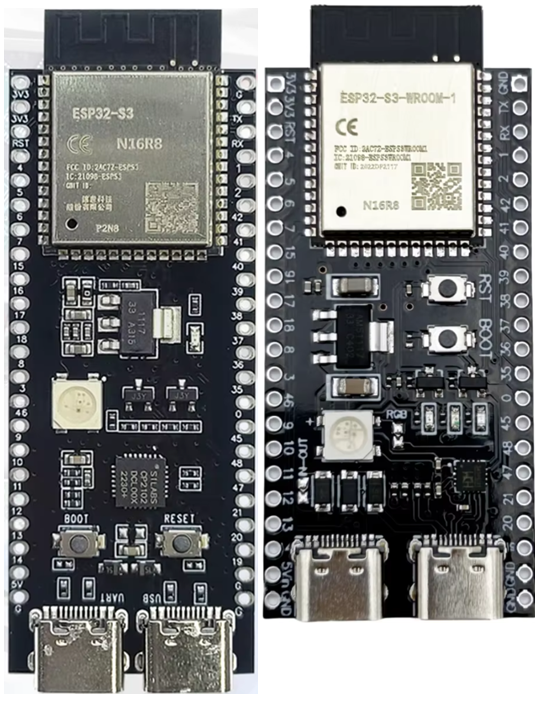
ZoomESP32-S3 board, breadboard, jumper wires, LED + resistor, push button, potentiometer, and BME280 sensor are required for the practical part of this course.
This is professional engineering training: short, structured, practical, and built around one final IoT system.
For professionals and graduates.
For verified current students.
Compact schedule with practical value.
Student pricing is available for verified students, installments are available for the standard track, and seats remain limited in each cohort.