Embedded Systems Engineering with STM32
Standard Course
This live practical STM32 Standard course helps learners move from simple microcontroller examples into structured embedded systems work with peripherals, timing, communication, debugging, and real project building.
Level: standard. Format: live online on Zoom. Best for students and engineers who want a practical STM32 foundation before the advanced track.
Almikatro Engineering Learning Path
From foundations to practical systems and advanced embedded work.
Engineering Fundamentals
Build the programming and electronics foundations required for modern engineering systems.
IoT Engineering with ESP32
Connect embedded systems to cloud platforms for monitoring and control.
Embedded Systems Engineering (STM32 Standard)
Learn peripherals, timing, communication, debugging, and practical embedded workflows.
Embedded Systems Engineering (STM32 Advanced)
Continue into more advanced embedded topics after building the Standard foundation.
PCB Design
Transform circuit ideas into manufacturable electronic products.
STM32 Standard Learning Outcomes
The course focuses on practical embedded thinking, hardware awareness, peripheral understanding, and structured debugging.
 STM32 Platform
Core STM32 Workflow
ARM Cortex-M basics, STM32CubeMX, STM32CubeIDE, project setup, and clock configuration.
Peripherals & Timing
GPIO, interrupts, timers, PWM, ADC, and the practical timing behavior behind them.
Communication
UART, I2C, and SPI through practical interfacing and debugging-focused exercises.
Debugging & Project Build
ST-Link, serial debugging, hardware-aware testing, and a final embedded system project.
How Training Works
Practical, guided, and built around real debugging and structured implementation.
Live on Zoom
Interactive online sessions with guided implementation.
Wokwi First
Start with simulation to understand the workflow before hardware.
Real Hardware Pack
Use STM32 Blue Pill, breadboard, jumper wires, and TTL converter.
Debugging as a Skill
Practice ST-Link and serial debugging throughout the course.
Structured Sessions
Follow an 8-session progression from setup to final project.
Recorded Access
Review key parts after the live sessions when needed.
STM32 Standard, Session by Session
The course moves from setup and core workflow into peripherals, timing, communication, debugging, and a final embedded system project.
Session 1
Introduction, Setup & First Project
STM32 mindset, STM32 vs Arduino, tools installation, CubeMX, CubeIDE, and a first project.
Session 2
GPIO & Digital Interfacing
GPIO modes, inputs, outputs, push buttons, LEDs, and practical exercises.
Session 3
Interrupts, Timers & PWM
EXTI, debouncing, timer basics, PWM generation, and real-time behavior.
Session 4
Clock System & Timing
Clock tree, PLL, prescalers, timing basics, and why configuration matters.
Session 5
UART Communication & Debugging
UART basics, serial communication, debugging messages, and PC interface work.
Session 6
I2C Communication
I2C fundamentals, addressing, sensor interfacing, and troubleshooting tips.
Session 7
SPI Communication
SPI fundamentals, interfacing modules, and comparing SPI with I2C.
Session 8
ADC & Final Embedded Project
ADC basics, analog sensors, combining peripherals, and the final project build.
See the Control and Debugging Side of STM32
These reel-style clips fit the format of your videos much better and make the STM32 page feel more practical and technical.
Laboratory Machine Control
In this project, we used an STM32 MCU to control air velocity in an industrial machine. We also used Hardware-in-the-Loop with MATLAB to tune very accurate PID values according to FNOR normes for a poste de securite microbiologique.
STM32-Based PCB for an Industrial Machine
This reel shows the STM32-based PCB side of the project, where the control hardware moves from embedded logic into a real industrial-machine board and enclosure built for reliable field use.
Real Companies Building with STM32
This section now reflects official ST customer stories, so students can connect STM32 learning to real robotics, agriculture, and industrial engineering outcomes.
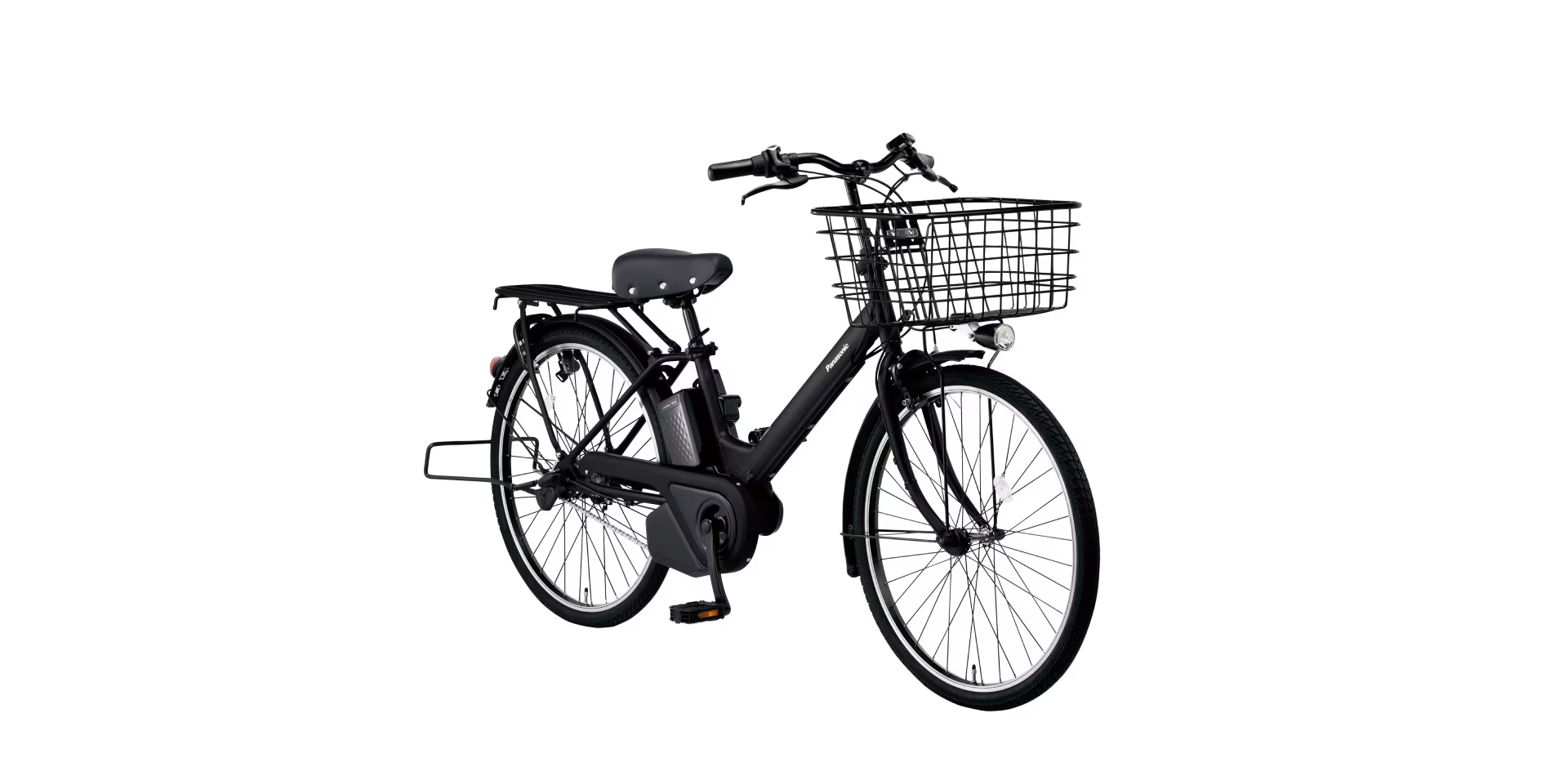
STM32-style embedded thinking also appears in electrification products that need smarter maintenance
The Panasonic e-bikes story on ST’s success-stories page shows how embedded electronics support better control, maintenance awareness, and a more dependable rider experience. It is a good example of how embedded systems create value when the product has to perform in the real world, not only on the bench.
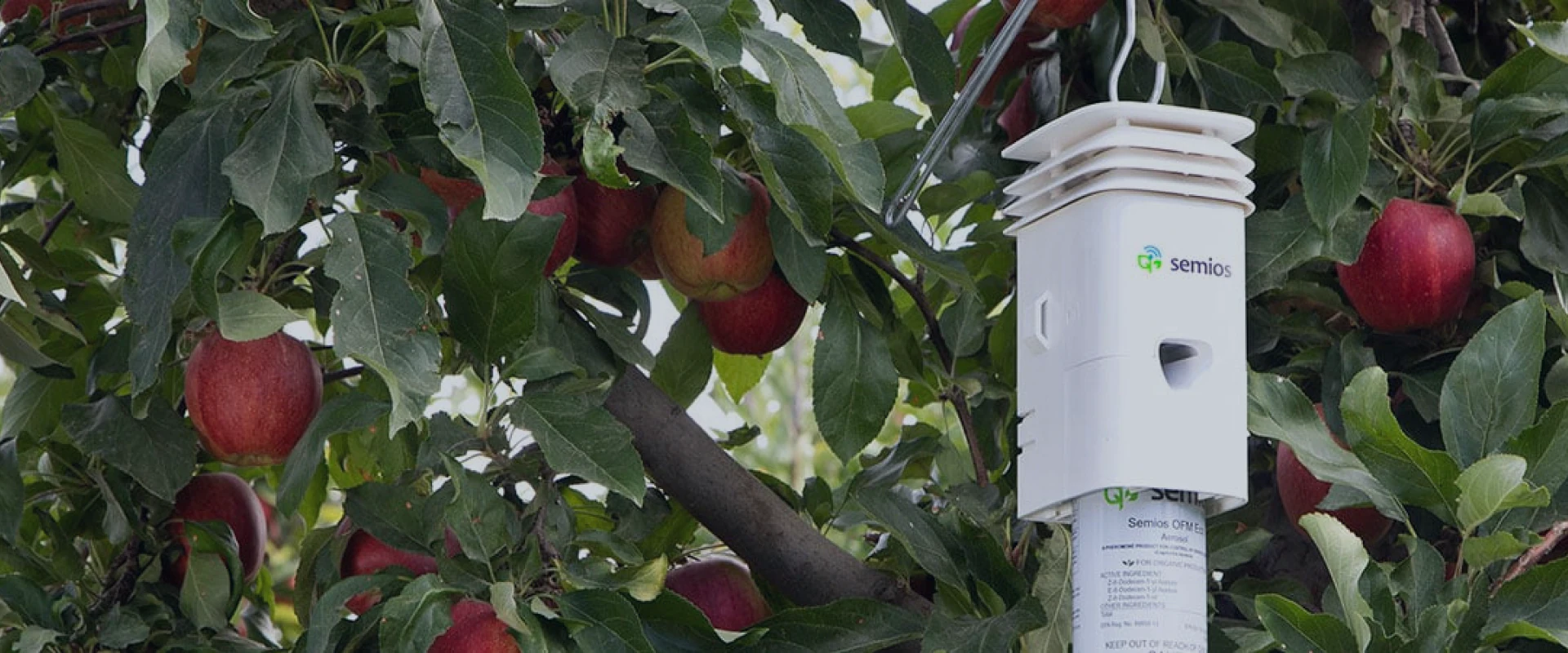
STM32 also powers smart agriculture where remote sensing and edge decisions really matter
In ST’s Semios story, the STM32F4 helped connect farm sensors using Bluetooth and LoRa while supporting on-chip data processing in difficult field environments. That is a strong example of why embedded systems matter beyond the lab: better decisions, lower cloud dependence, and more actionable data for farmers.
What To Expect Before You Join
A practical view of the STM32 course structure, depth, and expected commitment before application.
Next Cohort
Applications are open now. The next live start date is shared after review of each application.
Format
Live online on Zoom with practical implementation and recorded access.
Commitment
8 sessions at 3 hours each, for a total of 24 hours.
Hardware
Start with Wokwi, then move to the required STM32 Blue Pill hardware pack.
For Learners Building a Strong STM32 Foundation
This course is for students and engineers who want to go beyond simple microcontroller demos and learn structured embedded systems development with STM32.
Good Entry Point After Fundamentals
Students should be comfortable with basic programming logic and electronics. Engineering Fundamentals is recommended before joining.
Recommended Next Step After STM32 Standard
After STM32 Standard, the clearest next move is STM32 Advanced for architecture, RTOS, DMA, Modbus, and more professional embedded systems depth. PCB Design becomes the strong follow-up once you want complete hardware product delivery too.
Recommended Progression
STM32 Advanced to move into professional firmware architecture, FreeRTOS, DMA, Modbus, and industrial embedded systems.
PCB Design to move from firmware-only work into complete hardware product design once your embedded base is stronger.
ESP32 IoT if you also want more cloud-connected system experience alongside embedded work.
Questions Students Usually Ask
Quick answers to the most common pre-enrollment questions for the STM32 track.
Do I need prior embedded experience?
No advanced STM32 experience is required. Basic programming and electronics fundamentals are enough to start.
Is this course practical or mostly theoretical?
It is strongly practical. The course is built around peripherals, debugging, hardware awareness, and structured engineering workflows.
What comes after STM32 Standard?
Students can continue into STM32 Advanced or PCB Design after building a stronger embedded foundation.
STM32 Standard Course
Focused on practical embedded systems, hardware-aware development, peripheral understanding, and structured debugging with ST-Link tools.
Embedded Systems Engineering with STM32
Students: 13,500 DA · Others: 15,000 DA · Installments available for the regular track
8 sessions · 3 hours each · 24 hours total
Embedded Systems Engineering with STM32 (Standard)
Share your details and learning goals. Our team will contact you with the next available group, pricing details, and the steps to confirm your seat.